Audience research
Part of Platform audience research that keeps seven buyer populations separate
Ecommerce platforms competitor research: evidence checklist
Use an ecommerce platforms competitor research checklist to log supplier claims, seller journeys and review evidence without treating them as market findings.
This method for ecommerce platforms competitor research can document public claims, observable seller journeys and available contract evidence. It cannot reveal buyer demand, market share, sales, conversion or customer satisfaction unless a suitable primary dataset directly measures those things.
Use this checklist for a defined England merchant decision. Keep platform suppliers, marketplaces and merchants as separate comparison classes.
What to take away
- Apply the opening limit on buyer demand and market share to every finding.
- Keep platform suppliers, marketplaces and merchants as separate comparison classes for a defined England merchant decision.
- Treat supplier claims as unverified until independent evidence addresses the same configuration and measure.
- Use the same synthetic product, customer type, device set, location assumption and time stamp for every seller journey.
Fix the subject and evidence date
- Name the exact legal or trading entity, product or marketplace role, page, edition and access date.
- State whether the subject supplies software, hosts a marketplace, provides managed implementation or operates as a merchant.
- Exclude firms that cannot be identified or compared on the chosen operating model.
The Companies House search guide lists available company fields. It also says register information is not comprehensive and may contain inaccuracies. A filing can support identity and status fields, not competence, customer count or England service coverage.
Fix subject and evidence date
- Name exact legal or trading entity
- State software, marketplace, managed or merchant role
- Exclude firms that cannot be identified
- Record page, edition and access date
- Use filing for identity, not competence
Capture public claims without upgrading them
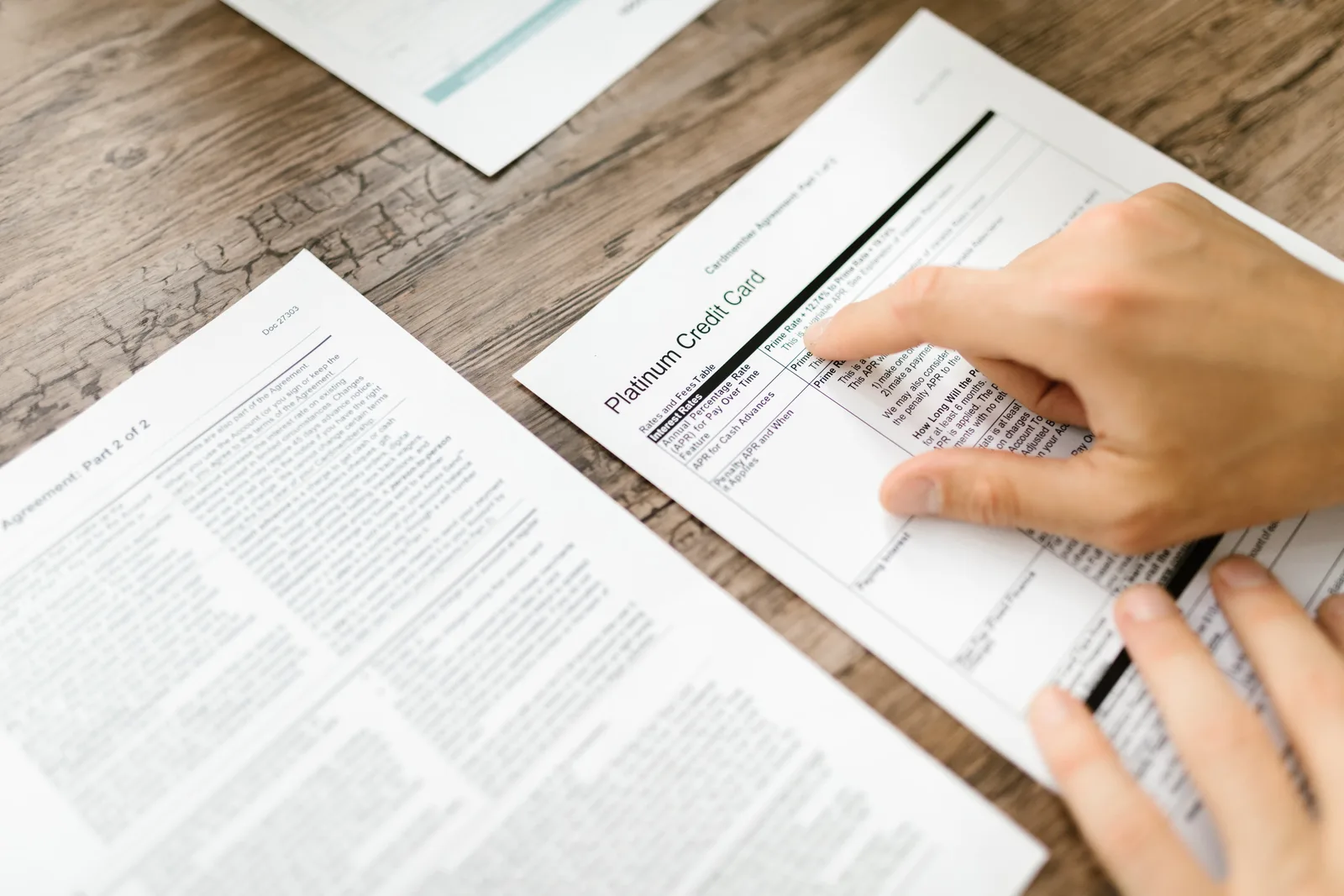
- Save the exact claim, page title, URL, access date, geography, product edition and stated limitation.
- Mark it as a supplier statement until independent evidence addresses the same configuration and measure.
- Record missing terms, processor details, accessibility evidence, export controls and support boundaries as unknown.
Do not infer a feature from a screenshot or turn a customer logo into evidence of use or success. Do not scrape staff profiles to guess skills, authority or protected characteristics. The ICO's publicly accessible data guidance says public availability does not remove transparency and lawful-basis duties for further personal-data use.
Compare an authorised seller journey
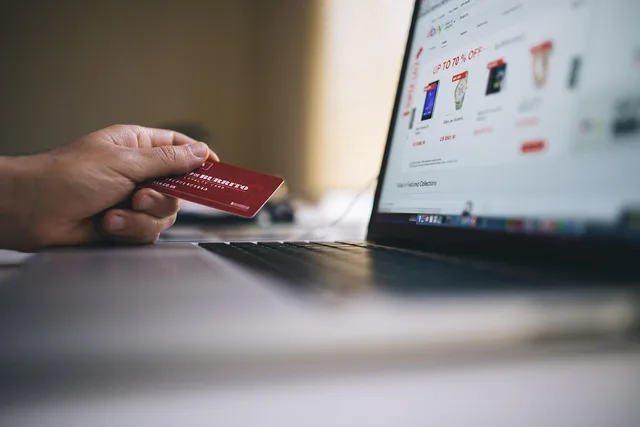
- Use the same synthetic product, customer type, device set, location assumption and time stamp for every route.
- Observe seller identity, product information, price presentation, basket, payment action, confirmation, cancellation, return, refund and support information.
- Stop before purchase unless the study owner has authorised funds, cancellation and data handling.
GOV.UK's online-selling guidance gives a primary checklist for seller and order information. Qualified counsel must decide its application. In England, local authority trading standards services enforce consumer protection law, and National Trading Standards coordinates regional work. A visible journey is evidence of what appeared in that test, not the platform's universal behaviour or legal compliance.
Treat reviews as a separate evidence class
- Record the review publisher, collection method, date, incentive disclosure, verified-purchase claim and moderation description.
- Do not average incompatible ratings or copy reviewer identities and text into a buyer profile.
- Do not use review volume as market share or a missing-review assumption as dissatisfaction.
The CMA's fake-reviews guidance covers fake and concealed incentivised reviews and misleading publication of review information. It does not validate any individual review or provide a platform ranking.
Respect rights, terms and data limits
- Read the source site's current terms, robots controls, licence and reuse notices before automated collection.
- Collect the minimum fields and restrict access to the named comparison team.
- Link to source material rather than copying catalogues, photographs, databases or substantial text without a reviewed permission or exception.
GOV.UK explains that copyright can protect web content and databases. Rights and database questions are fact-specific, so an IP lawyer must review the planned collection and reuse.
Report facts, inference and unknowns
Give each row the same fields: entity evidence, operating model, product record, seller-journey result, contract availability, source date and unknowns. Label editorial inference separately. Retire stale screenshots and rerun journeys every quarter, and after any public claim change, product edition update or checkout flow change.
Worked example row (illustrative, no real firm named):
| Entity | Claim | Journey result | Unknown |
|---|---|---|---|
| Companies House record for the named operator | Product page states next-day dispatch for all orders | Checkout showed a dispatch estimate only after the payment step | Whether the estimate applies to all stock locations or delivery areas |
Hold any comparison when identities, product editions or like-for-like conditions cannot be established. Competitor research can shape questions for buyer interviews and procurement. Apply the opening limit before publishing.
Before you act
- Name the exact entity, product role, page, edition and access date.
- Save the exact claim with page title, URL, access date, geography and limitation.
- Use the same synthetic product and conditions for every seller journey.
- Record review publisher, collection method, date and incentive disclosure.
- Read source terms, robots controls and licence notices before automated collection.
- Label editorial inference separately and retire stale screenshots every quarter, or after any public claim change.
Common questions
What can competitor research through public claims and seller journeys actually reveal?
Public claims, observable seller journeys and contract evidence. The opening limit applies to buyer demand and market share. Use the findings to frame buyer interviews and procurement questions, not to replace them.
How should a reader handle public claims made by platform suppliers?
Log the claim, edition, limitation and access date as a supplier statement. Missing terms, processor details, accessibility evidence, export controls and support boundaries stay unknown until independent evidence addresses the same configuration and measure. A logo shows an announced relationship, not product performance.
What conditions must be met before comparing an authorised seller journey?
Run the same synthetic product, customer type, device set, location assumption and time stamp across routes. Record browser and screen size in the test log. Stop before purchase unless funds, cancellation and data handling are authorised. A visible journey proves only what appeared in that test.